ATTENTION: Call 911 if you are experiencing a life-threatening emergency.
Morris Hospital & Healthcare Centers is pleased to provide an advanced level of emergency care around the clock through our Emergency Department.
Where to find us:
Morris Hospital
150 W. High St., Morris, IL
815.705.1160 (Emergency Department direct line)
To enter the Emergency Department, park in the main parking lot on the east side of the hospital campus accessible off High Street and enter through the dedicated EMERGENCY entrance. Handicap spaces are available to the right as you begin to approach the circle drive.
WHAT TO EXPECT
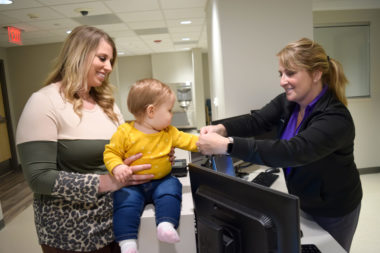 When you come through the Emergency entrance, you will be greeted by a Patient Access Representative and Triage Nurse. Our goal is to bring you straight to a treatment room if one is available. We’ll even complete the registration process at your bedside to enhance your privacy and expedite your care.
Depending on the seriousness of your condition, you may be seen in the rapid care area of the Emergency Department, which was designed to reduce the total amount of time spent in the Emergency Department by expediting the treatment of patients with less serious illness and injuries.
ENHANCED FACILITIES
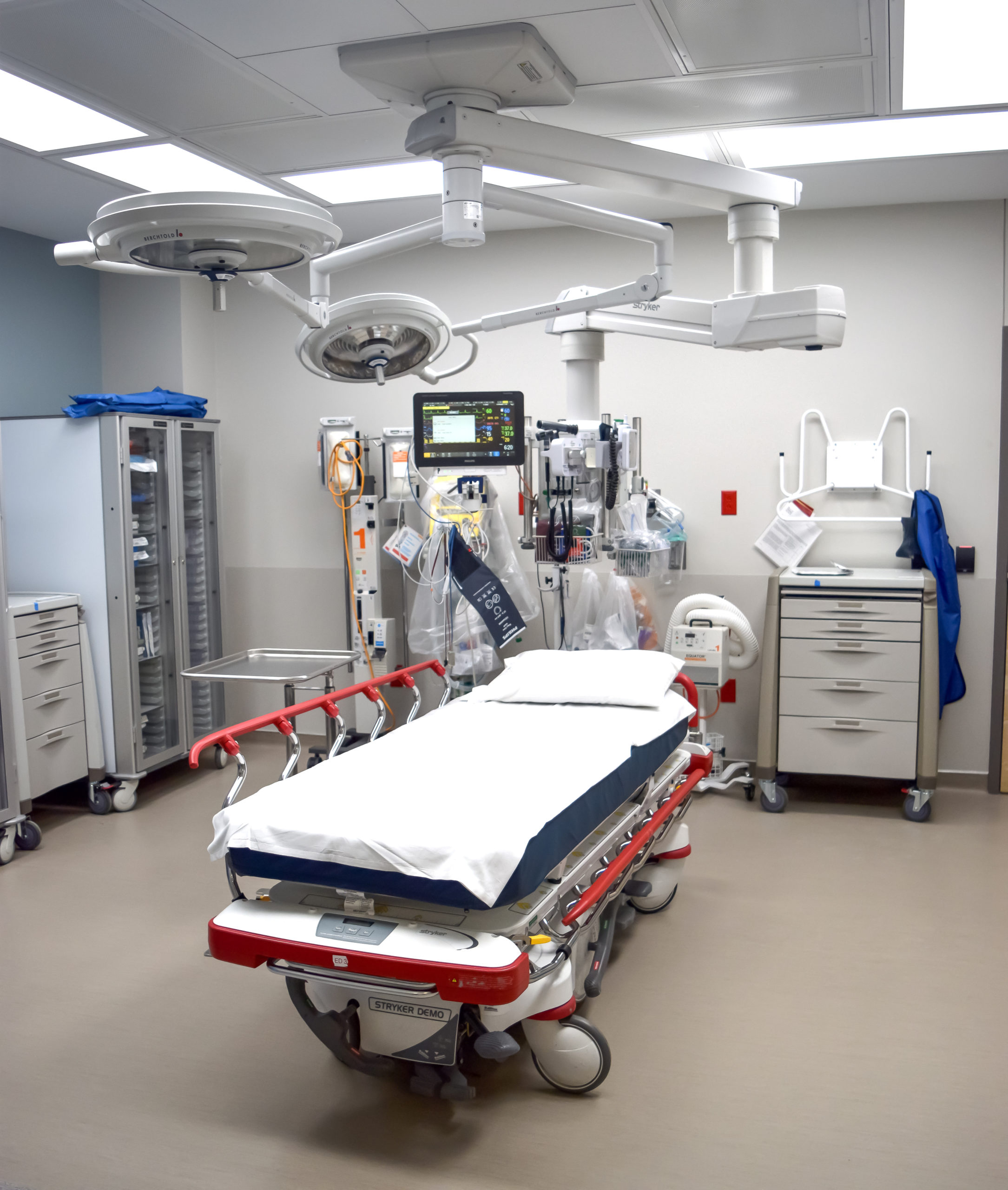
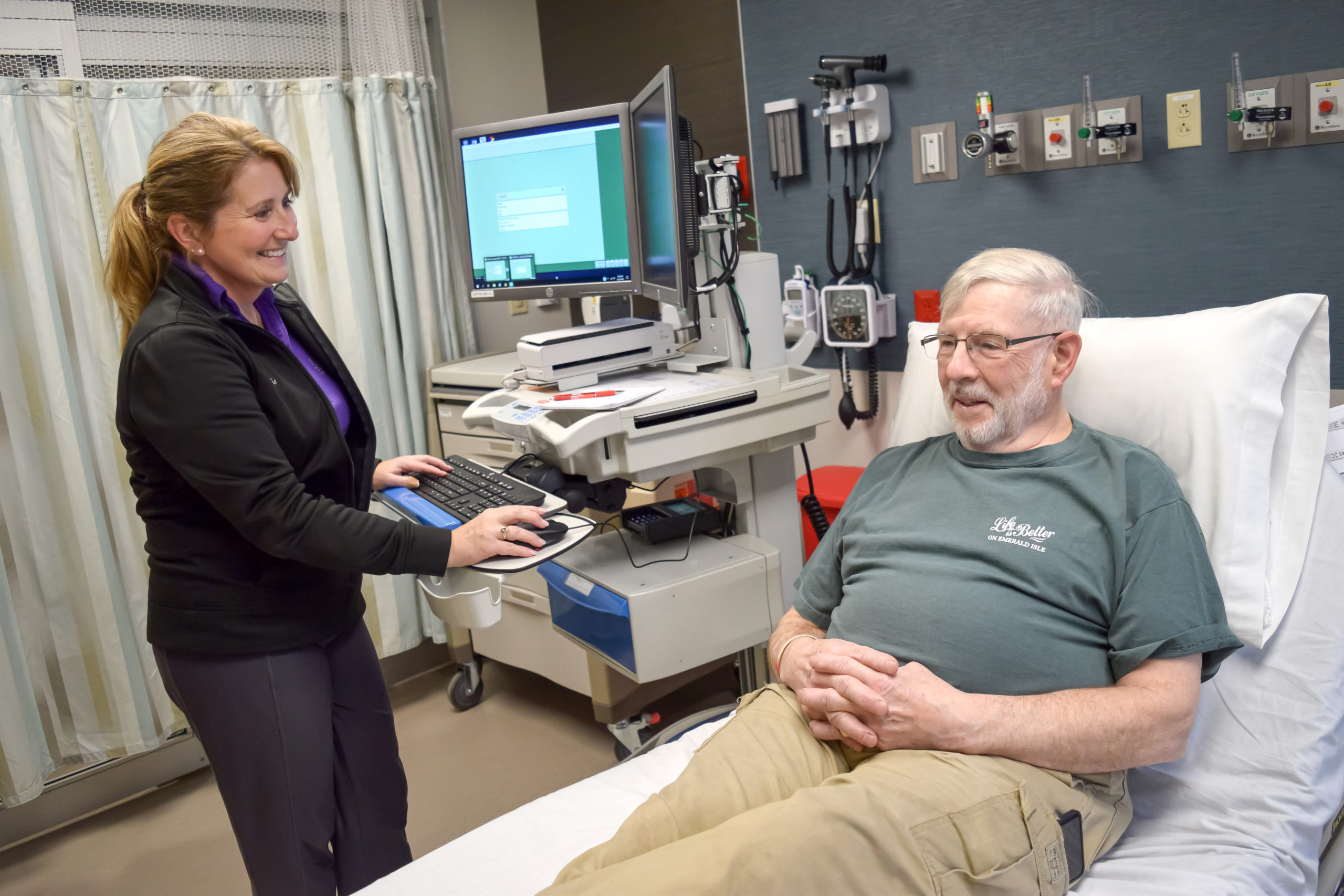 We opened a brand new Emergency Department in March 2020 following a major modernization project on the hospital main campus. Some of the features of the new Emergency Department include:
- 17 private treatment rooms, including a specialized trauma room, pediatric room, gynecology room, rapid care area, and two rooms designated for psychiatric emergencies
- Decontamination facilities for biohazard emergencies
YOUR TREATMENT TEAM
In the Morris Hospital Emergency Department, physician services are provided by EPIC Group, an independent group of board-certified emergency medicine physicians. Emergency medicine physicians are specially trained to evaluate and treat patients during the early, and often most critical stages of an illness or injury. The treatment team also includes physician assistants and nurse practitioners, who compliment the care provided by the emergency physicians. Patients will receive a separate bill from the EPIC Group.
The highly skilled registered nurses in the Morris Hospital Emergency Department all have certifications in emergency pediatric care and advanced cardiac life support. Many of our emergency nurses have additional certifications such as a trauma nurse specialist and emergency communications radio nurse.
The emergency team works closely with paramedics and emergency medical technicians from over 15 ambulance services throughout Grundy, LaSalle, Kendall, Livingston and Will counties.
Depending on the diagnosis, patients can rest assured that an on-call physician is available in the following specialties: cardiology, family practice, gastroenterology, infectious disease, internal medicine, nephrology, neurology, obstetrics & gynecology, oncology, optometry, orthopedic surgery, otolaryngology (ear, nose & throat), pediatrics, plastic surgery, psychiatry, pulmonary medicine, general surgery, trauma surgery and urology.
ADVANCED CAPABILITIES
 Morris Hospital provides a higher level of care as a result of a number of specialized designations and certifications:
- Level II Trauma Center designation by the Illinois Department of Public Health, an indication that Morris Hospital has the necessary expertise and resources to diagnose and treat patients with a variety of medical conditions.
- Emergency Department Approved for Pediatrics designation by the Illinois Department of Public Health.
- Primary Stroke Certification from the Healthcare Facilities Accreditation Program, which serves as notice to the public and emergency medical services that Morris Hospital has the capacity to stabilize, diagnosis and treat acute stroke patients.
PEDIATRIC EMERGENCIES
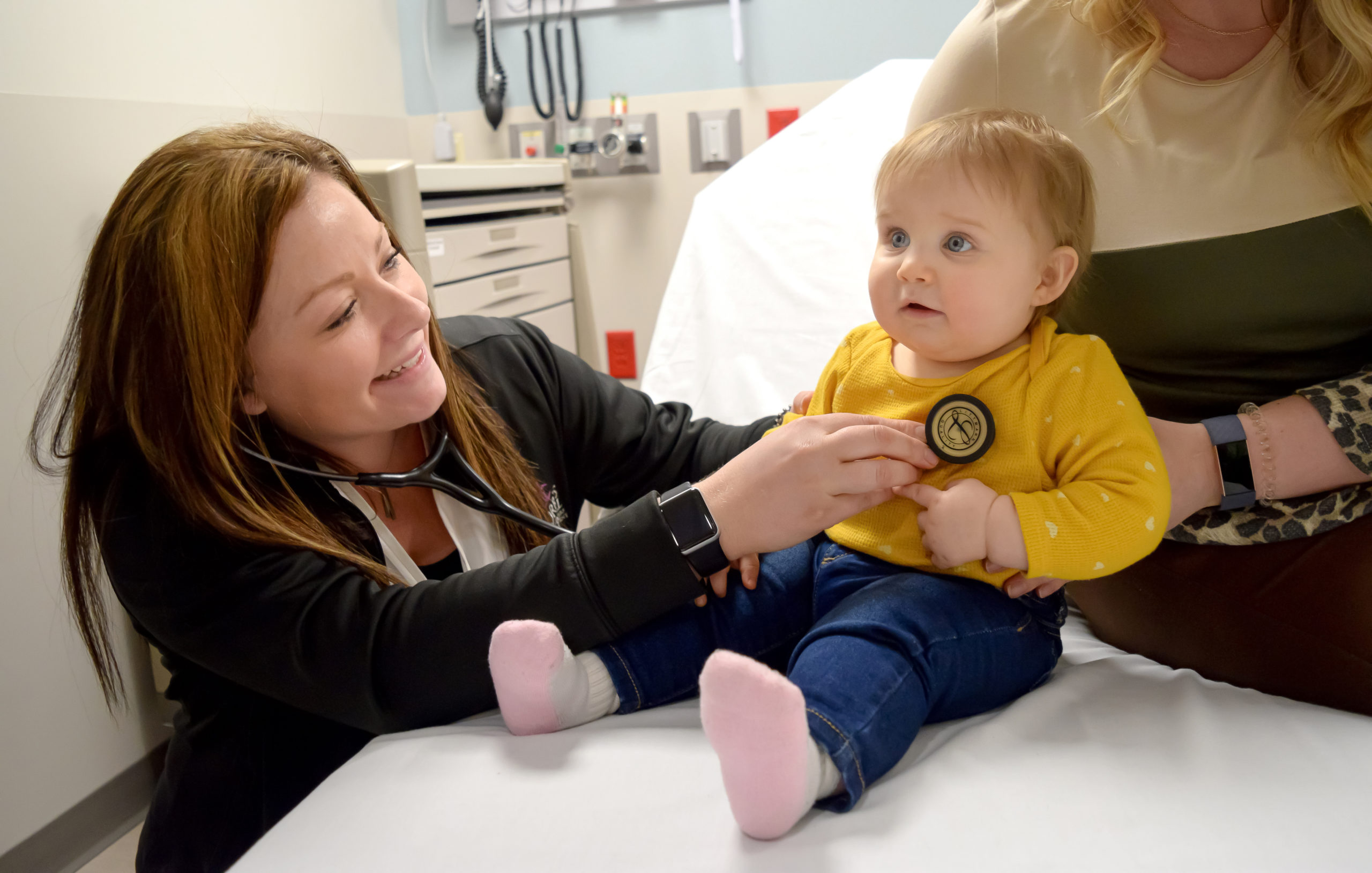 Pediatric patients require specialized care. As part of our commitment to caring for families with young children, we have voluntarily achieved designation by the state of Illinois as an Emergency Department Approved for Pediatrics. This means we have the specially trained staff, equipment and supplies needed to effectively provide emergency care for children, including nurses who have completed the Emergency Nurse Pediatric Course or have certification in Pediatric Advanced Life Support. For pediatric patients who require a hospital stay following their emergency visit, our Pediatric beds are designed to accommodate the medical needs of young patients.
As an Emergency Department Approved for Pediatrics, we are also committed to providing educational information to help parents keep their children safe and healthy. Please follow this link to our Kids Corner where you will find helpful parenting resources.
For peace of mind, parents may wish to complete our Consent for Emergency Treatment form that is available on our Forms Page under Pediatric Forms. This authorizes medical treatment of minor emergencies for children under age 18 when parents are away or unavailable. If medical treatment is required in your absence, the person caring for your child should present the completed form at the emergency department registration desk.
CONCUSSION MANAGEMENT PROGRAM
Individuals presenting to our emergency room with concussion symptoms after a bump, blow or jolt to the head will be evaluated for a concussion. Patients who are diagnosed with a concussion may be referred for priority care treatment through our concussion management program.
Athletes should not return to sports if they’re experiencing signs and symptoms of a concussion.
